
“Stay Vigilant in Times of Peace, Conduct Drills to Prepare; Plan Ahead to Ensure Safety” — Jiangsu Susa Conducts an Emergency Drill for Confined Spaces
2020-08-25
Author:
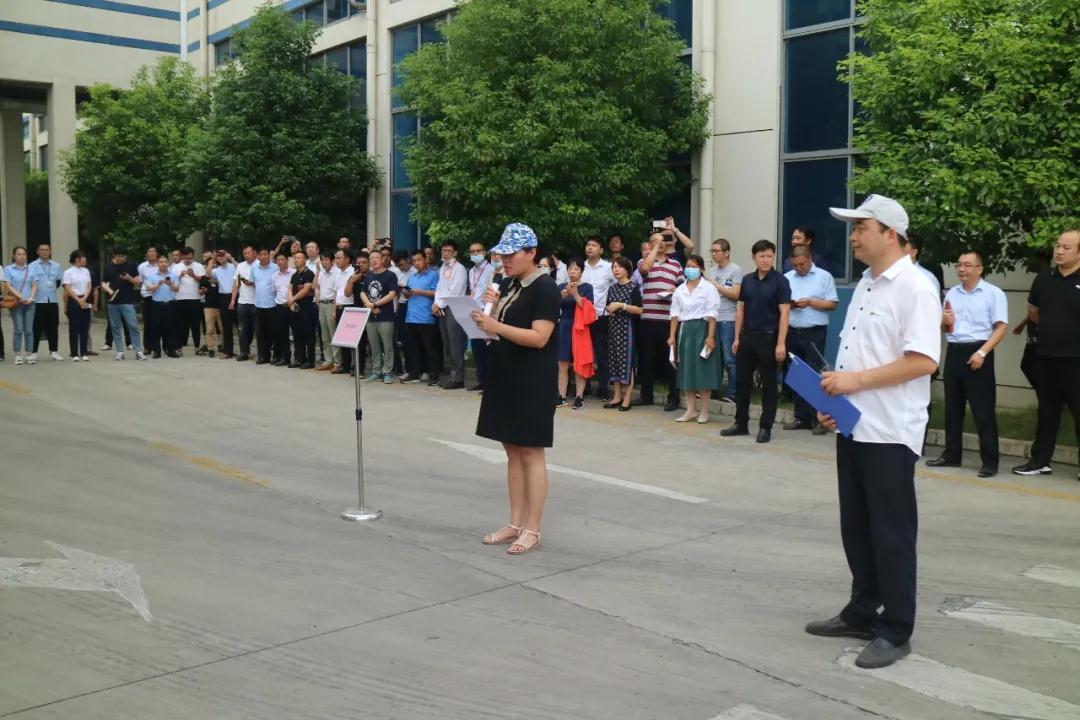
To strengthen safety management for confined-space operations, prevent incidents of poisoning and asphyxiation, and effectively safeguard the lives and safety of workers, Susa Company organized a confined-space on-site emergency response drill on August 21. The exercise was led by Administrative Director Zhao Youwei, who served as the overall commander, with coordinated support from all relevant departments. Meanwhile, the Emergency Management Bureau of Gaogang District, Taizhou City, invited personnel from 50 related enterprises within the industrial park to attend and observe the drill.
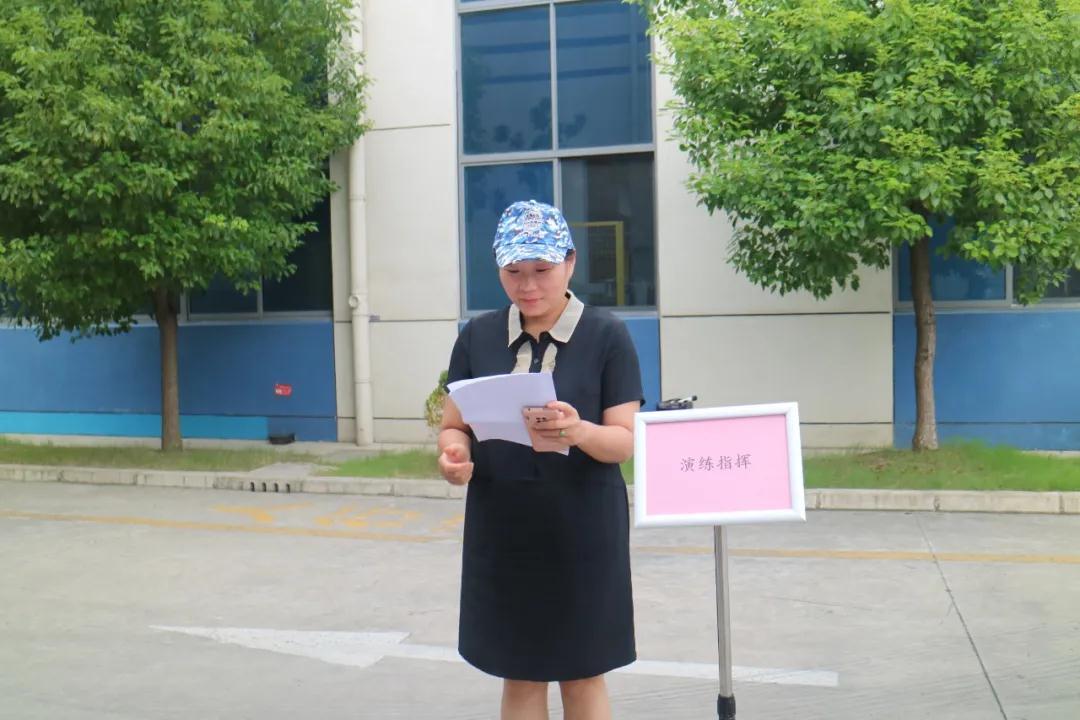
Accident Emergency Response Drill
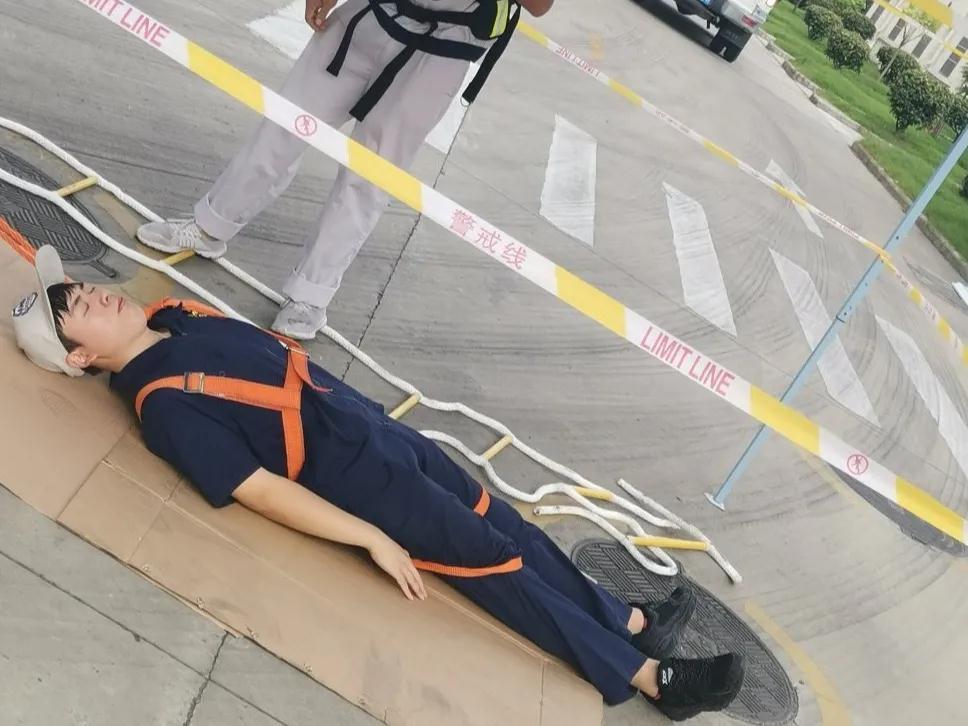
I. Accident Simulation: Due to unauthorized work practices by the maintenance crew, the workers descended into a sewage well to perform maintenance without prior ventilation, gas detection, or obtaining the required work permit, resulting in poisoning and loss of consciousness.
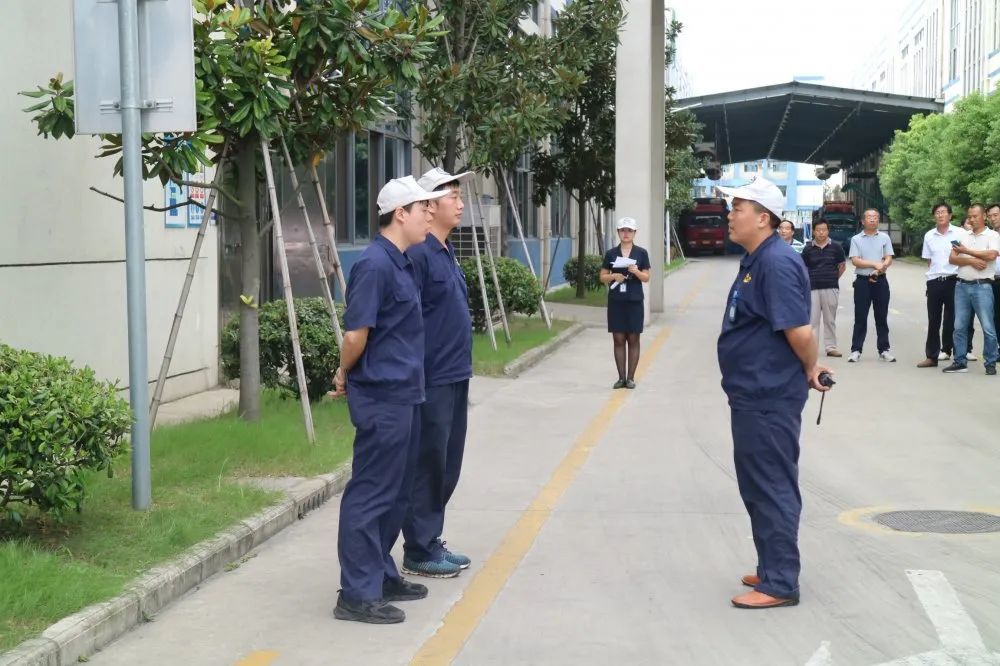
II. The supervisor immediately telephoned Chen Yilai, Director of the Safety and Environmental Protection Department. Upon receiving the call, Director Chen promptly notified the company’s emergency response team to dispatch to the scene, bringing along the necessary emergency supplies.
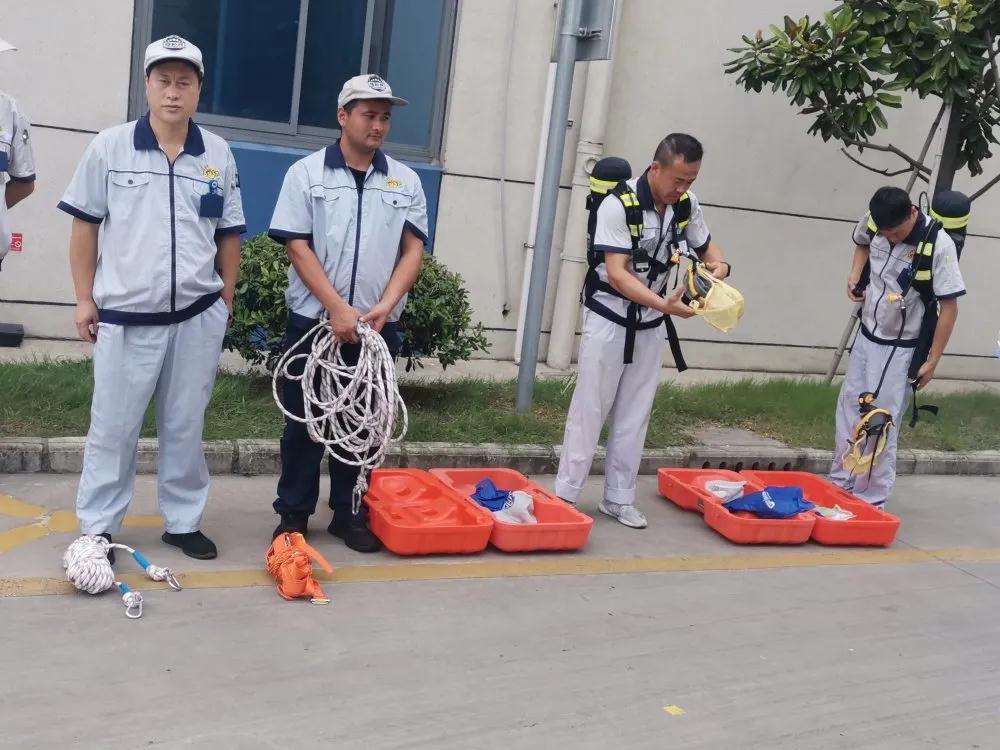
III. Director Chen issued the emergency rescue assignment, and the rescue personnel initiated operations in accordance with the task.
1. Connect the power supply, start the fan, and ventilate the sewage well.
2. Rescue personnel don safety harnesses and respirators, and descend into the well with a safety rope to carry out the rescue;
3. The two individuals secured the safety rope at the wellhead, used it to hoist and rescue the victim, and pulled the injured person out of the sewage well.
4. The medical team immediately assessed the injured, determined that they had no pulse or breathing, and promptly initiated CPR. Meanwhile, the communications team contacted the driver and arranged for a vehicle to be dispatched to the scene.
1. Place the casualty in a supine position, with the head tilted as far back as possible;
2. Unbutton the collar and clear any obstructions from the mouth to maintain an open airway;
3. For chest compression positioning, place the index and middle fingers together, slide them inward and upward along one costal margin until you reach the intersection of the two costal margins, then position your hands two transverse finger widths above that point.
4. Place the heels of both hands on top of each other, interlace your fingers, extend both arms straight down, and apply steady pressure. The compression depth should be 4–5 cm, and the compression rate should be 100 compressions per minute.
5. Pinch the casualty’s nose, take a deep breath, open your mouth as wide as possible, seal your lips tightly around the casualty’s mouth, and forcefully blow air into the casualty’s lungs. Release the nose, wait about 3 seconds, then repeat.
6. The ratio of chest compressions to rescue breaths is 30:2, and this should be continued until spontaneous breathing resumes or another rescuer takes over; efforts should be sustained until emergency medical personnel arrive.
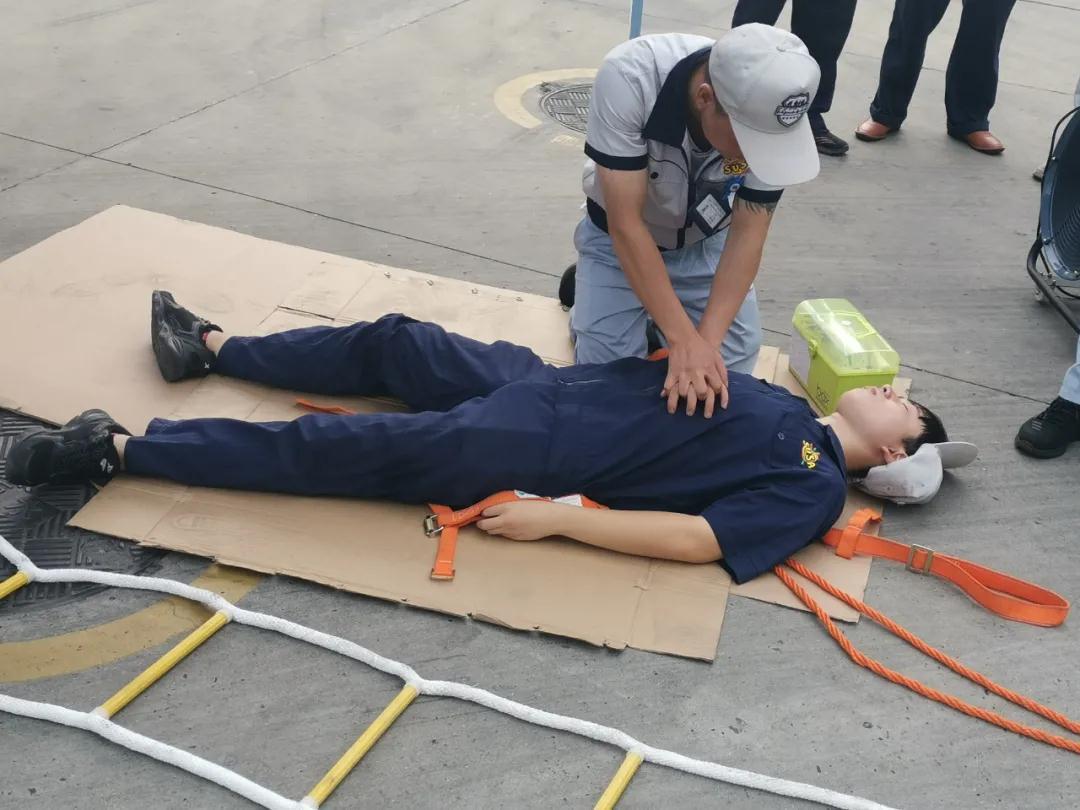
5. Two minutes later, a vehicle arrived at the scene, and the crowd used a stretcher to carry the injured person aboard and transport them to the nearest hospital.
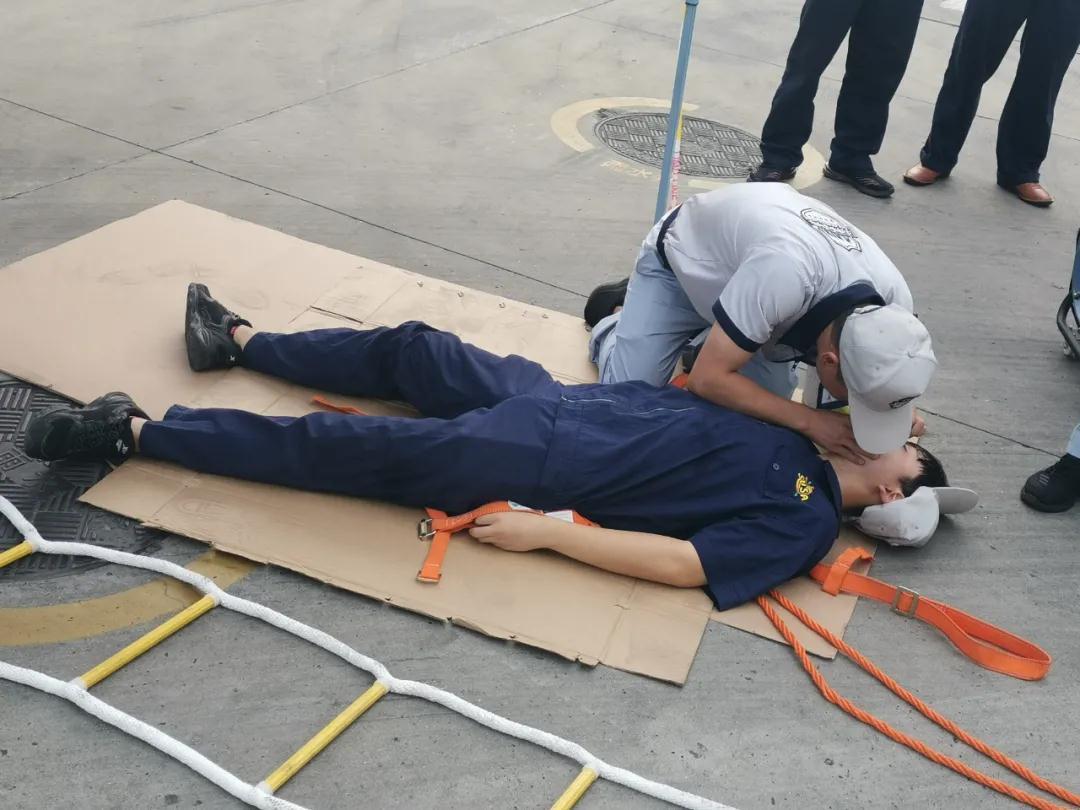
Ultimately, the injured person was safely brought to the surface and rushed to the hospital for treatment. From the moment the victim was rescued from the well and given emergency first aid to regain consciousness, to being loaded into the ambulance and transported to the hospital, the entire process took 4 minutes and 58 seconds, successfully concluding the emergency response drill for this unexpected incident.
Simulate the correct process
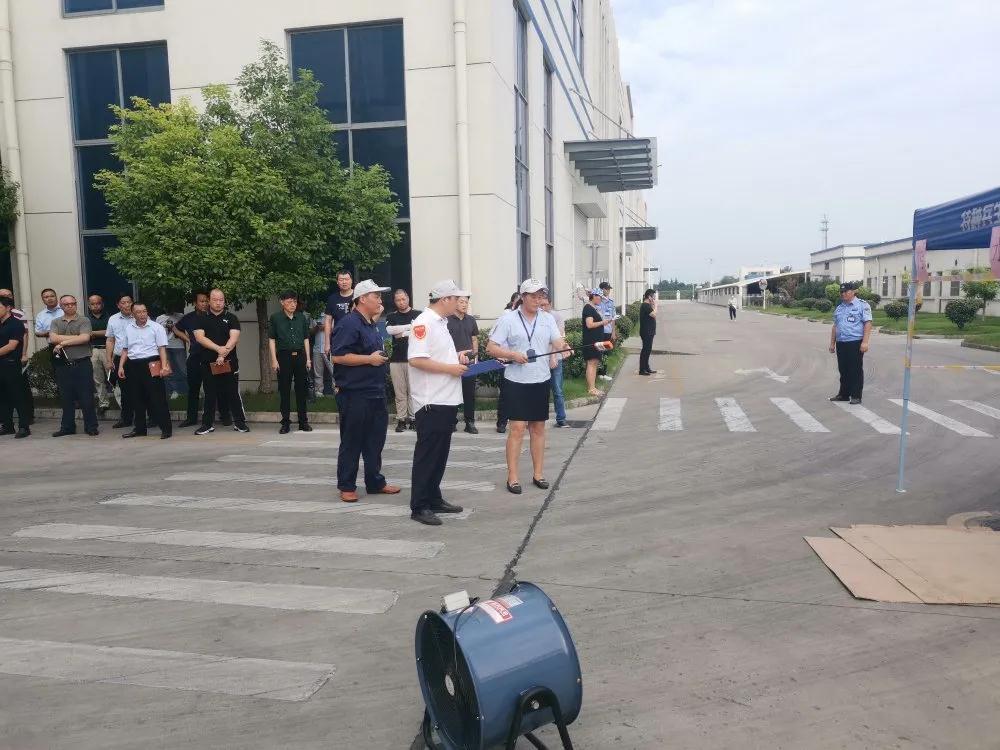
A simulation of the correct operating procedures for confined spaces was also conducted on-site.
I. Strictly adhere to the principle of “ventilate first, test next, and work last.”
1. Entry into a confined space for work is strictly prohibited without prior ventilation and testing. Furthermore, if the working environment changes, it shall be deemed entry into a new confined space, and entry is permitted only after re‑ventilation and retesting. In addition, the testing criteria and procedures must comply with applicable standards and requirements.
2. During testing, personnel shall operate in a safe environment and maintain thorough records, including the date and time of the test, the location, the types of gases present, and the measured concentrations. Test parameters shall encompass oxygen concentration, the concentrations of flammable and explosive substances (such as combustible gases and explosive dusts), and the concentrations of toxic gases, among others.
II. Implement reliable isolation measures.
1. Reliable isolation measures must be implemented to separate the confined space from other pipelines or spaces that could pose a safety hazard during operations.
2. Prior to commencing work in a confined space, the space shall be cleaned or purged in accordance with the characteristics of the materials it has contained (or previously contained), and the relevant requirements shall be met.
3. Prior to and during confined-space work, mandatory continuous ventilation must be implemented to reduce hazards and maintain air circulation; the use of pure oxygen for ventilation is strictly prohibited.
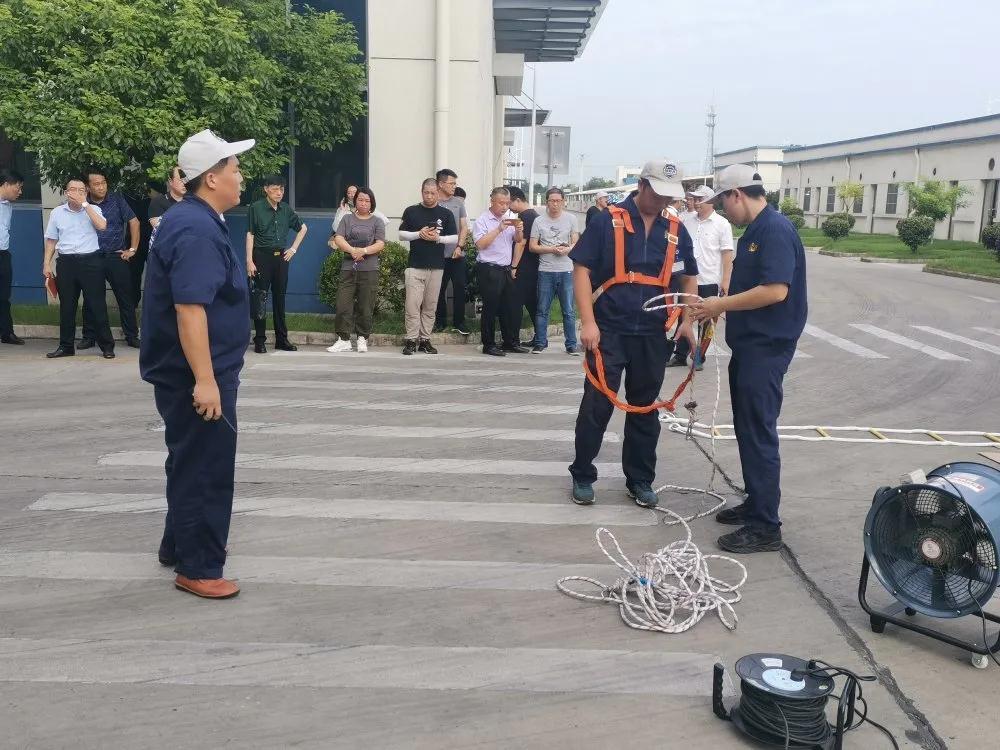
III. Equipment must be fully prepared.
1. Work in confined spaces shall be adequately illuminated, equipped with personal protective equipment, and ensured to be properly worn and used; workers must be secured with a lifeline.
2. When working in confined spaces with oxygen deficiency or the presence of toxic substances (gases), an isolating respirator shall be worn.
3. When working in confined spaces containing flammable or explosive materials, wear antistatic workwear and footwear, and use explosion-proof tools (including lighting).
4. When working in confined spaces containing corrosive media such as acids and alkalis, appropriate protective gear—including acid- and alkali-resistant workwear, safety shoes, and gloves—must be worn.
5. When working in confined spaces where noise is generated, earplugs or earmuffs and other hearing protection devices should be worn.
IV. Install conspicuous safety warning signs and markings.
1. Erect conspicuous safety warning signs near the entry point of confined spaces to inform workers in advance of existing hazards and control measures. Clearly define the responsibilities of the on-site supervisor, workers, attendants, and testing personnel, and prohibit work from proceeding without a designated attendant.
2. Provide training to personnel engaged in confined-space work, covering the hazardous characteristics of confined spaces and the requirements for safe operations, procedures for entering confined spaces, proper use of instruments and equipment, and emergency rescue measures.
Exercise Summary
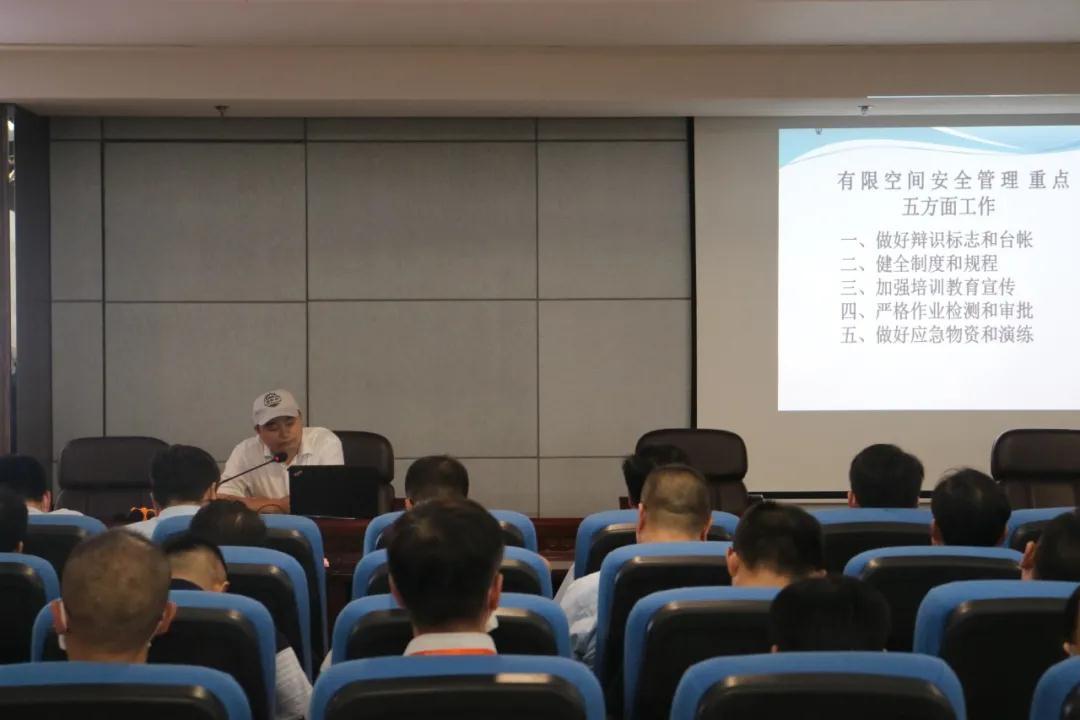
Following the drill, personnel from 50 relevant enterprises in the park attended an exchange meeting on confined-space safety management. During the session, participants observed a simulated confined-space work environment and engaged in hands-on, experiential training, gaining a more intuitive understanding of how to conduct safe operations in such settings. The attending companies unanimously pledged to align with established standards, adhere to regulatory requirements, benchmark against best practices, increase investment in workplace safety, thoroughly address identified hazards, and continuously enhance their level of confined-space safety management.
Exchange Meeting
Following the drill, personnel from 50 relevant enterprises in the park attended an exchange meeting on confined-space safety management. During the session, participants observed a simulated confined-space work environment and engaged in hands-on, experiential training, gaining a more intuitive understanding of how to conduct safe operations in such settings. The attending companies unanimously pledged to align with established standards, adhere to regulatory requirements, benchmark against best practices, increase investment in workplace safety, thoroughly address identified hazards, and continuously enhance their level of confined-space safety management.
Keywords:
Previous page:
More Events

Address: NO.58,Chuangxin Road, High-Tech Industrial Park, Gaogang Area, Taizhou City, Jiangsu Province, P.R. China

Follow us